Body Tan: Causes, Common Myths, and the Right Way to Care for Tanned Skin
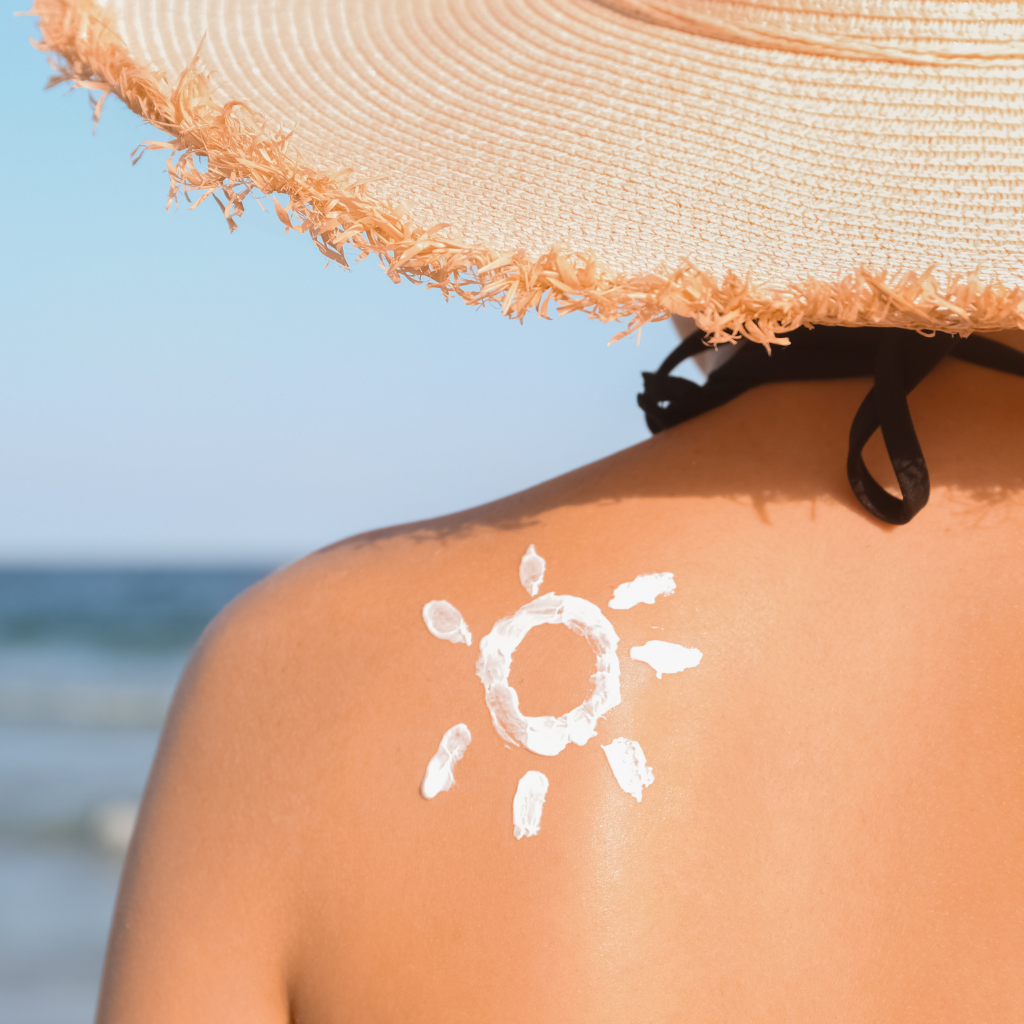
Let's be real—if you're reading this, chances are you've looked down at your arms, legs, or hands and thought, "Wait, when did I get this tan?" Maybe it was after that weekend beach trip, or perhaps it just crept up on you during your daily commute. Either way, body tan is one of those things that sneaks up on us, especially living in India where the sun doesn't exactly take days off.
But here's the thing: while a little sun-kissed glow can look gorgeous, uneven tanning, stubborn dark patches, and that raccoon-eye situation from sunglasses? Not so much. If you've been Googling "body tan removal products" at 2 AM or wondering why your skin tans even when you're barely outside, you're in the right place.
Today, we're diving deep into everything about body tan—what causes it, why it happens, the myths you need to stop believing, and most importantly, how to care for and fade tanned skin the right way. No harsh chemicals, no unrealistic promises—just honest, effective solutions that actually work.
What Exactly Is Body Tan? (And Why Does It Happen?)
Before we get into solutions, let's talk about what causes tan in the first place.
Think of your skin as having its own personal security system. When UV rays from the sun hit your skin, your body goes, "Okay, we need protection!" and starts producing something called melanin. Melanin is basically your skin's natural sunscreen—a pigment that darkens your skin to shield the deeper layers from sun damage.
So technically, tanning is your body trying to protect you. Sweet, right? Except when it leaves you with uneven patches, darker knees and elbows, or a tan that just won't fade for months.
What Causes Tanning of Skin?
Why tanning occurs comes down to a few key factors:
-
UV Exposure: This is the big one. Both UVA and UVB rays trigger melanin production. Even sitting near a window or driving with the windows down exposes you to UV rays.
-
Melanocyte Activity: These are the cells that produce melanin. Some people have more active melanocytes (hello, if you tan super easily), while others don't.
-
Your Skin Type: If you have more melanin naturally, you'll tan faster and deeper than someone with less melanin.
-
Duration and Intensity: Spending 15 minutes in harsh afternoon sun can cause more damage than an hour during early morning.
How Much Sun Exposure Causes Tanning?
Here's where it gets interesting. You don't need to be sunbathing for hours to develop a tan. In India's tropical climate, how much exposure to sun causes tan varies, but generally:
-
15-30 minutes of direct midday sun (10 AM - 4 PM) can trigger tanning
-
Even 10 minutes daily over a few weeks leads to cumulative tanning
-
Reflected UV rays from water, sand, or even concrete can intensify the effect
The intensity matters too. That harsh 2 PM sun in Mumbai summer? Much more potent than the gentle 7 AM rays.
Why Skin Tan Without Sun Exposure (Yes, It Happens!)
Ever wondered why skin tan without sun exposure? You're not imagining things. Here are some sneaky culprits:
Hormonal Changes: Pregnancy, PCOS, or thyroid issues can cause hyperpigmentation that looks like tanning (melasma, anyone?).
Heat Exposure: Standing over a hot stove, using heating tools, or even sitting near heat sources can darken skin.
Pollution: Yep, the Delhi smog or Bangalore traffic pollution can cause oxidative stress, leading to darker, duller skin.
Medications: Certain antibiotics, birth control pills, or skincare actives can make your skin more photosensitive.
Blue Light: Your laptop and phone screens emit blue light that may contribute to pigmentation (the research is still evolving here).

The Myths About Body Tan (Let's Bust Them!)
Myth 1: "Tan is Permanent, Nothing Can Remove It"
Truth: While deeply embedded pigmentation takes time, can permanent tan be removed? Absolutely, yes! With consistent care, the right ingredients, and patience, most tans fade significantly. Your skin naturally sheds and renews itself every 28-40 days, so you're literally getting fresh skin regularly.
Myth 2: "You Only Tan at the Beach"
Truth: Your daily commute, walking to the market, even sitting by a window—all of these expose you to UV rays. Casual, repeated sun exposure is actually responsible for most body tan.
Myth 3: "Darker Skin Tones Don't Need Sunscreen"
Truth: Everyone needs sun protection! While darker skin has more melanin, it's not immune to sun damage, hyperpigmentation, or skin cancer.
Myth 4: "Scrubbing Hard Will Remove Tan Faster"
Truth: Aggressive scrubbing damages your skin barrier, causes inflammation, and can actually make pigmentation worse. Gentle exfoliation is key.
How Long Does Body Tan Last? (And When Will It Fade?)
This is probably the question we get asked most: how long does body tan last?
Here's the honest answer: it depends.
-
Mild tan from a weekend outing: 2-4 weeks
-
Moderate tan from vacation: 1-3 months
-
Deep, stubborn tan: 3-6 months (sometimes longer without intervention)
How many days does tan take to fade naturally? Your skin renews itself in cycles, so you'll start seeing gradual lightening around the 28-day mark. But with the right body tan removal products, you can speed this up significantly.
Factors that affect fading time:
-
Your natural skin tone and melanin levels
-
How deep the tan penetrated
-
Your skincare routine (or lack thereof)
-
Sun protection habits
-
Exfoliation frequency
The Right Way to Care for Tanned Skin
Okay, so you've got a tan. Now what? Here's your game plan for fading it safely and effectively.
Step 1: Prevention First (How to Prevent Body Tanning)
The best body tan removal strategy? Don't let it happen in the first place. Here's how to prevent tanning of skin:
Sunscreen, Sunscreen, Sunscreen: Broad-spectrum SPF 30+ minimum, applied generously every 2-3 hours. Yes, even on cloudy days. Yes, even indoors if you're near windows.
Cover Up: Lightweight long sleeves, sunglasses, hats, scarves—especially during peak sun hours (10 AM - 4 PM).
Seek Shade: When possible, stay in the shade. Your future self will thank you.
Timing Matters: Plan outdoor activities for early morning or late evening when UV intensity is lower.
Step 2: Exfoliate Regularly (But Gently!)
What is exfoliating the skin? It's the process of removing dead skin cells from the surface, revealing the fresher, brighter skin underneath. For body tan, exfoliation is crucial because it:
-
Speeds up skin cell turnover
-
Allows brightening ingredients to penetrate better
-
Evens out texture and tone
-
Removes the tanned, dead skin layers
The Wave Way:
This is where our Triple Action Exfoliating Mist comes in. Instead of harsh scrubs that damage your skin barrier, this innovative mist uses 6% AHAs (Alpha Hydroxy Acids) to gently dissolve the bonds between dead skin cells.
Why we love it for body tan:
-
Easy Application: Spray-on format means you can reach your back, shoulders, and other tricky spots
-
Triple Action: Exfoliates, brightens, and smooths in one step
-
Gentle Yet Effective: No scrubbing required—the actives do the work
-
Perfect for Indian Climate: Lightweight, non-sticky formula that doesn't feel heavy in humidity
Use it 2-3 times a week on tanned areas—arms, legs, décolletage, back—and watch the magic happen.
Step 3: Brighten with Targeted Ingredients
The best products for body tan removal contain these superstar ingredients:
Vitamin C: A powerful antioxidant that inhibits melanin production and fades existing pigmentation. Look for stable forms like ascorbic acid or ethyl ascorbic acid.
Niacinamide (Vitamin B3): Reduces melanin transfer to skin cells, evens tone, and strengthens your skin barrier. This ingredient is a must-have in any body tan removal lotion.
AHAs (Glycolic, Lactic, Mandelic Acid): These gentle chemical exfoliants dissolve dead skin, speed up cell turnover, and fade tan layers progressively.
Kojic Acid: Derived from mushrooms, it's a natural skin brightener that targets stubborn pigmentation.
Licorice Extract: Soothes inflammation while lightening dark spots—perfect for post-sun care.
Step 4: Hydrate and Nourish
Tanned skin is often dehydrated and damaged. Layer on:
-
Hydrating Body Lotions: Look for hyaluronic acid, ceramides, or glycerin
-
Nourishing Oils & Butters: Coconut, argan or almond oil, cocoa butter or shea butter help repair the skin barrier
-
Aloe Vera: Soothes, heals, and provides instant relief to sun-exposed skin
Step 5: Be Patient and Consistent
Real talk: there's no magic overnight solution. The body tan removal products that promise instant results? They're either using harmful bleaching agents or they're lying.
Healthy skin brightening takes 4-8 weeks of consistent use. But trust us—the results are worth the wait, and your skin stays healthy and happy in the process.
Seasonal Considerations for Indian Skin
Living in India means dealing with intense sun pretty much year-round, but different seasons require different approaches:
Summer (March - June)
-
Challenge: Harsh UV rays, sweating, increased melanin production
-
Strategy: SPF 50+, reapply every 2 hours, light layers, stay hydrated
-
Exfoliation: 2-3 times weekly to combat sweat and dead skin buildup
Monsoon (July - September)
-
Challenge: Humidity, but still significant UV exposure (clouds don't block UV!)
-
Strategy: Waterproof sunscreen, lighter textures, consistent exfoliation
-
Exfoliation: Continue 2-3 times weekly—humidity actually makes exfoliation more important
Winter (October - February)
-
Challenge: Dryness, but still UV exposure (winter sun is sneaky!)
-
Strategy: SPF 30+ minimum, richer moisturizers, repair mode
-
Exfoliation: 2 times weekly, followed by intensive hydration
Building Your Body Tan Removal Routine
Here's a simple weekly routine using the best body tan removal products:
Morning (Daily):
-
Shower with a gentle cleanser
-
Pat dry
-
Apply a brightening body lotion with niacinamide or Vitamin C
-
Sunscreen SPF 30+ on all exposed areas
Evening (Daily):
-
Cleanse
-
Focus extra moisture on tanned areas
Exfoliation (Daily)
-
After shower, on damp skin or at night
-
Spray Wave of Wellness Triple Action Exfoliating Mist on tanned areas
-
Let it absorb (no rinsing needed!)
-
Follow with a sunscreen in the morning
When to See a Dermatologist
While most body tan responds well to good skincare, see a professional if:
-
The tan doesn't fade after 3-4 months of consistent care
-
You notice very dark patches that appeared suddenly
-
There's pain, itching, or unusual changes in texture
-
You have patches that look different from regular tanning
Final Thoughts: Embrace the Journey
Here's something we want you to remember: body tan is natural. Your skin is doing its job to protect you. But if uneven tanning, dark patches, or stubborn pigmentation are bothering you, know that safe, effective solutions exist.
At Wave, we believe in working with your skin, not against it. Our approach isn't about harsh chemicals or unrealistic promises—it's about understanding what your skin needs and giving it the right tools to renew and brighten naturally.
Whether you're dealing with a vacation tan, everyday sun exposure, or stubborn pigmentation, remember: consistency beats intensity every single time. Start with one good product (might we suggest our Triple Action Exfoliating Mist?), protect your skin daily, and be patient with the process.
Your brightest, most even-toned skin is just a few weeks away. We're here for every step of the journey.
Frequently Asked Questions About Body Tan
Can a permanent tan be removed?
Yes! While the term "permanent tan" is commonly used, most tans are actually not permanent. Your skin naturally regenerates every 28-40 days, so even deep tans will eventually fade. With consistent use of exfoliating products like AHAs, brightening ingredients like Vitamin C and niacinamide, and diligent sun protection, you can remove even stubborn, long-lasting tans within 2-6 months. However, some very deep pigmentation or melasma might require professional treatments like chemical peels or laser therapy.
How long does body tan last?
Body tan duration varies based on several factors: the depth of the tan, your skin type, and your skincare routine. Generally, a mild tan from weekend sun exposure fades in 2-4 weeks, a moderate vacation tan takes 1-3 months, and a deep stubborn tan can last 3-6 months without intervention. With proper exfoliation and brightening products, you can significantly speed up this process. Your skin's natural renewal cycle is 28 days, so every month brings fresher, lighter skin to the surface.
How much sun exposure causes tanning?
In India's tropical climate, as little as 15-30 minutes of direct midday sun (between 10 AM and 4 PM) can trigger tanning. Even 10 minutes daily over several weeks leads to cumulative tanning. The intensity matters greatly—harsh afternoon sun is far more potent than early morning or late evening rays. Factors like altitude, proximity to the equator, and reflective surfaces (water, sand, concrete) can intensify UV exposure. Remember, UV rays penetrate clouds, so you can tan even on overcast days.
How to prevent body tanning?
Prevention is your best defense against body tan! Here's a comprehensive approach:
-
Apply broad-spectrum SPF 30+ sunscreen 20 minutes before sun exposure and reapply every 2-3 hours
-
Wear protective clothing: lightweight long sleeves, wide-brimmed hats, sunglasses
-
Seek shade during peak UV hours (10 AM - 4 PM)
-
Use sun-protective fabrics with UPF ratings for outdoor activities
-
Apply sunscreen on all exposed areas, including hands, feet, neck, and ears
-
Avoid reflective surfaces that intensify UV exposure
-
Stay hydrated and maintain healthy skin barrier function
-
Consider antioxidant serums (Vitamin C, E) under sunscreen for added protection
What causes tanning of skin?
Several factors trigger tanning: UV exposure (the primary cause), heat exposure from cooking or heating devices, hormonal changes like pregnancy or PCOS that increase melanin production, certain medications that make skin photosensitive, pollution and oxidative stress that damage skin, and inflammation from injuries or skin conditions. Sometimes what looks like tanning is actually post-inflammatory hyperpigmentation. Understanding the root cause helps you choose the right treatment approach.
What is skin exfoliation?
Exfoliating is the process of removing dead skin cells from the surface layer of your skin. Think of it as clearing away the old to reveal the fresh, new skin underneath. There are two types: mechanical exfoliation (physical scrubs, brushes) and chemical exfoliation (AHAs, BHAs that dissolve dead cell bonds). For body tan, chemical exfoliation is more effective and gentler—it speeds up skin cell turnover, helps fade pigmentation, evens out texture, and allows brightening ingredients to penetrate deeper. Regular exfoliation (2-3 times weekly) is crucial for fading tan and preventing buildup.
Why skin tan without sun exposure?
Skin can darken without direct sun exposure due to: heat exposure from cooking, laptops, or hot environments triggering melanin production; hormonal fluctuations causing melasma or hyperpigmentation; medications like antibiotics or birth control making skin photosensitive to even minimal UV; pollution causing oxidative stress and free radical damage; blue light from screens potentially contributing to pigmentation (emerging research); and post-inflammatory hyperpigmentation from acne, injuries, or waxing. Even indirect UV exposure through windows or reflected light can cause gradual tanning.
Why does tanning occur?
Tanning occurs because melanin production is your skin's adaptive response to UV stress. When sunlight damages skin cell DNA, specialized cells called melanocytes receive signals to produce more melanin pigment. This melanin distributes throughout skin layers, darkening them to absorb future UV rays and prevent deeper damage. It's a protective mechanism that evolved to shield vital cellular structures. However, this protection is limited—repeated tanning indicates ongoing damage. That's why sun protection is crucial even if you tan easily; melanin alone isn't sufficient defense against long-term sun damage, premature aging, or skin cancer risks.
Ready to start your journey toward brighter, more even-toned skin? Explore our Triple Action Exfoliating Mist and discover the Wave of Wellness difference. Because your skin deserves care that actually works.
-
Posted in
Seasonal, Skin Concerns