
Understanding Ingrown Hair & Body Acne: Causes, Myths, and Smarter Body Care
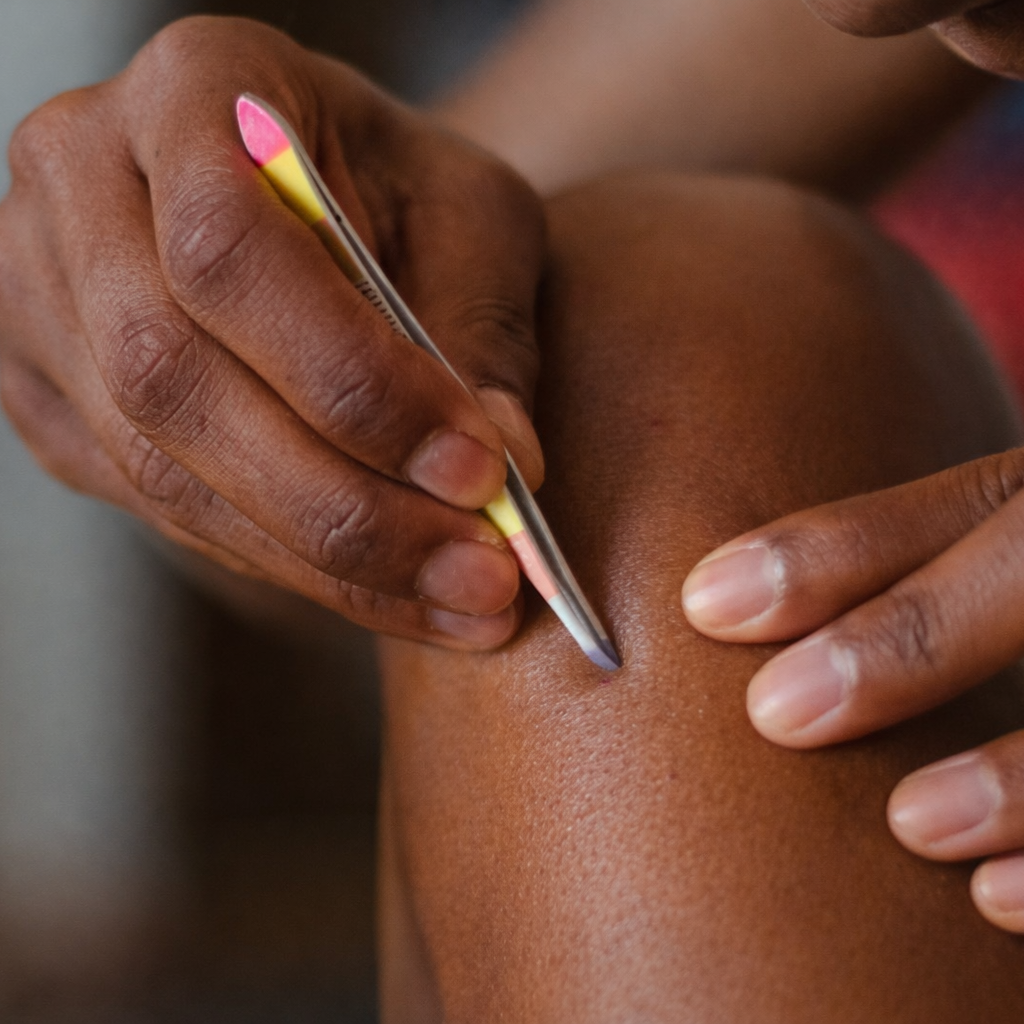
If you've ever dealt with angry red bumps after waxing, those tiny dots on your legs that just won't go away, or frustrating breakouts on your back or chest, you're not alone. Ingrown hair and body acne are two of the most common—and most frustrating—skin concerns that affect nearly everyone at some point.
The worst part? They often get brushed off as "just how it is" or treated with harsh, ineffective solutions that make things worse. But here's the truth: both ingrown hairs and body acne are completely treatable with the right understanding and the right products.
Today, we're breaking down everything you need to know about these stubborn skin issues. We'll talk about what causes them, bust some common myths, and most importantly, show you how to address them with smart, science-backed body care that actually works—without being judgmental, without making promises we can't keep, and definitely without making you feel bad about your skin.
Because your skin is doing its best, and it deserves care that works with it, not against it.
What Is an Ingrown Hair? (And Why Does It Happen?)
Let's start with the basics: what is an ingrown hair?
An ingrown hair happens when a hair grows back into the skin instead of rising up through the surface. Instead of coming out of the follicle normally, the hair curls back on itself or grows sideways under the skin, causing inflammation, redness, and sometimes painful bumps.
What Is the Meaning of Ingrown Hair in Real Terms?
Think of it this way: imagine a hair trying to push through the exit, but the door is blocked. So instead of going out, it curves back inward. Your body sees this as an intruder, triggers inflammation, and boom—you've got a raised, red, sometimes painful bump that can look like a pimple.
Ingrown hair can happen anywhere you remove hair—legs, underarms, bikini area, even your face if you shave there. And yes, they're incredibly common.
Is Ingrown Hair Common?
Absolutely. Is ingrown hair common? Yes! According to dermatologists, nearly everyone who removes body hair will experience ingrown hairs at some point, especially if you have coarse or curly hair. It's not a sign that you're doing something wrong—it's just how hair and skin sometimes interact after hair removal.
The good news? Once you understand why they happen, you can dramatically reduce how often they occur.
What Causes Ingrown Hairs?
Several factors contribute to body ingrown hair:
Hair removal methods: Shaving, waxing, threading, or epilating can all cause ingrown hairs, especially when done improperly or on unprepared skin.
Curly or coarse hair: The texture and natural curl pattern make it easier for hairs to curl back into the skin.
Dead skin buildup: When dead cells clog follicles, hairs can't push through—so they grow sideways instead.
Tight clothing: Friction from tight clothes (hello, skinny jeans and activewear) can push hairs back into the skin.
Dry, rough skin: When skin is dry and flaky, it creates more resistance for hairs trying to break through.
Improper shaving techniques: Shaving against the grain, using dull razors, or not prepping skin properly increases the risk significantly.
Ingrown Hair and Strawberry Legs: The Connection
Let's talk about something that doesn't get discussed enough: strawberry legs.
You know those tiny dark dots on your legs that look like strawberry seeds? That's often a combination of visible pores, trapped hair follicles, and residual ingrown hairs. Ingrown hair and strawberry legs are closely related—the dark spots you see are often hairs trapped beneath the surface or hyperpigmentation from previous ingrown hairs.
This is so common, especially after shaving. The good news? With consistent exfoliation and the right body care routine, you can significantly reduce both ingrown hairs and the appearance of strawberry legs.

Understanding Body Acne: More Than Just "Bacne"
Now let's talk about body acne.
If you thought acne was just a face thing, think again. Body acne affects shoulders, chest, back (commonly called "bacne"), and even your butt. And yes, it's incredibly frustrating—especially when you're trying to wear that backless top or swimsuit and you're worried about bumps and breakouts.
Is Body Acne Common?
Is body acne common? Extremely. Studies show that body acne affects people of all ages, not just teenagers. In fact, many people who never had facial acne struggle with body breakouts, and many people still deal with body acne well into their 30s and beyond.
It's not something to feel embarrassed about—it's a normal skin concern that has treatable causes.
What Causes Body Acne?
Body acne happens when pores get clogged with:
-
Excess oil (sebum): Just like your face, your body has sebaceous glands that can overproduce oil
-
Dead skin cells: When skin doesn't shed properly, these cells trap oil and bacteria
-
Bacteria: Specifically C. acnes bacteria that thrive in clogged pores
-
Sweat and friction: Especially from tight clothing, backpacks, or workout gear
Different Types of Body Acne
Understanding where your body acne shows up can give you clues about what's causing it:
Back acne (bacne): Often caused by friction from backpacks, bra straps, sweat during workouts, or oil buildup.
Chest acne: Can be triggered by sweat, tight clothing, heavy moisturizers, or hormonal fluctuations.
Shoulder acne: Usually related to hair products dripping down, backpack straps, or gym equipment friction.
Butt acne: Often not actual acne but folliculitis (inflamed hair follicles) caused by sweat, friction, and sitting for long periods.
The Hormonal Connection
Here's something important to understand: the connection between hormones and body acne is real and significant.
Hormonal fluctuations—whether from your menstrual cycle, PCOS, stress, pregnancy, or even changes in birth control—can trigger increased oil production and inflammation. This is why you might notice body breakouts right before your period or during particularly stressful times.
If you suspect hormonal body acne, the best approach combines topical care (like what we'll discuss) with lifestyle support: managing stress, eating a balanced diet, staying hydrated, and consulting a doctor if needed.
The Ingrown Hair-Body Acne Overlap
Here's where things get interesting: ingrown hairs and body acne often happen together, and they can be hard to tell apart.
Both present as red, inflamed bumps. Both can be painful or itchy. Both can occur after hair removal. The difference?
-
Ingrown hairs usually have a visible hair trapped inside (though not always) and tend to appear right after hair removal
-
Body acne has no hair, may have a white or black head, and isn't necessarily linked to hair removal timing
The good news? The treatment approach for both overlaps significantly: exfoliation, keeping pores clear, and maintaining a healthy skin barrier.
Busting Common Myths About Ingrown Hair and Body Acne
Let's clear up some misconceptions that might be holding you back from finding real solutions.
Myth 1: "You Can Just Tweeze Out Every Ingrown Hair"
Truth: While it's tempting to dig out every ingrown hair, this often causes more harm than good. You can introduce bacteria, cause scarring, worsen inflammation, or create more ingrown hairs. The better approach? Gently exfoliate to help the hair surface naturally.
Myth 2: "Body Acne Means You're Not Clean Enough"
Truth: Body acne has nothing to do with hygiene. In fact, over-scrubbing and harsh soaps can strip your skin barrier and make acne worse. Body acne is about oil production, dead skin buildup, and bacteria—not dirtiness.
Myth 3: "Ingrown Hairs Will Just Go Away on Their Own"
Truth: While some ingrown hairs do resolve themselves, many need help—especially chronic ones that keep coming back. Without proper exfoliation and care, they can become infected, leave dark marks, or turn into painful cysts.
Myth 4: "Scrubbing Hard Will Fix Everything"
Truth: Physical scrubs might feel satisfying, but aggressive scrubbing can damage your skin barrier, worsen inflammation, and even cause micro-tears that lead to more ingrown hairs. Gentle chemical exfoliation is far more effective and safer.
Myth 5: "You Can't Prevent Ingrown Hairs—It's Just Genetic"
Truth: While hair type plays a role, you absolutely can reduce ingrown hairs dramatically with the right routine. Proper exfoliation, hydration, and hair removal techniques make a massive difference.
Myth 6: "Body Acne Is Just About Using the Right Face Products on Your Body"
Truth: Your body skin is different from your face—it's thicker, has larger pores, and deals with more friction and sweat. Face products can help, but body-specific formulations work better because they're designed for these unique needs.
Hair Removal and Ingrown Hairs: What You Need to Know
Since most ingrown hairs are directly related to hair removal, let's talk about the best practices.
Shaving and Ingrown Hair on Legs
Ingrown hair on legs is super common, especially after shaving. Here's how to minimize them:
Pre-shave prep:
-
Exfoliate 24 hours before shaving to remove dead skin
-
Shave during or after a warm shower when hair is soft
-
Use a sharp, clean razor (dull blades tug on hair and increase ingrown risk)
-
Apply a hydrating shaving gel or cream—never shave dry skin
Shaving technique:
-
Shave in the direction of hair growth when possible (yes, you might not get as close a shave, but you'll get fewer ingrown hairs)
-
Use light, gentle strokes—no need to press hard
-
Rinse the razor after every stroke
Post-shave care:
-
Pat skin dry gently
-
Apply a soothing, hydrating lotion
-
Exfoliate regularly (2-3 times a week) between shaves
Waxing and Post-Waxing Care
Waxing pulls hair from the root, which can traumatize follicles and lead to ingrown hairs as new hair grows back. How to avoid ingrown hair on legs after waxing:
-
Exfoliate the day before your wax
-
Avoid wearing tight clothing for 24-48 hours post-wax
-
Don't exfoliate immediately after waxing (wait 48 hours)
-
Use a gentle, soothing lotion post-wax
-
Start chemical exfoliation 2-3 days after waxing and continue 2-3x weekly
How to Treat Ingrown Hair Underarm
Ingrown hair underarms are particularly frustrating because the skin is sensitive and you can't exactly skip deodorant.
Best practices:
-
Exfoliate gently 2-3 times per week (avoid the day of hair removal)
-
Use a soothing, non-comedogenic body lotion
-
Switch to aluminum-free deodorants if you're prone to irritation
-
Consider alternative hair removal methods if shaving consistently causes issues
-
Keep the area dry and avoid tight clothing that causes friction

The Science-Backed Solution: Chemical Exfoliation
Here's where we get to the real game-changer for both ingrown hair and body acne: chemical exfoliation.
Unlike physical scrubs that can be harsh and uneven, chemical exfoliants use acids to gently dissolve the bonds between dead skin cells, allowing them to shed naturally. This keeps pores clear, prevents hair from getting trapped, and reveals smoother, clearer skin.
The powerhouse ingredients you need to know:
Glycolic Acid: The Ingrown Hair Fighter
Glycolic acid is an AHA (Alpha Hydroxy Acid) with the smallest molecular size, which means it penetrates deeply. For ingrown hairs, this is crucial because:
-
It dissolves the "glue" holding dead skin cells over trapped hairs
-
It speeds up cell turnover, helping hairs push through the surface
-
It prevents future ingrown hairs by keeping follicles clear
-
It fades dark marks left behind by previous ingrown hairs
Lactic Acid: The Gentle Hydrator
Lactic acid is another AHA, but it's gentler than glycolic while still highly effective. It:
-
Exfoliates surface dead skin
-
Hydrates while it works (yes, really!)
-
Is perfect for sensitive areas like underarms
-
Helps with both ingrown hairs and uneven texture
Salicylic Acid: The Body Acne Buster
Salicylic acid is a BHA (Beta Hydroxy Acid) that's oil-soluble, meaning it dives deep into pores. For body acne, this is essential because:
-
It clears out clogged pores from the inside
-
It's anti-inflammatory, calming red, angry breakouts
-
It prevents new acne from forming
-
It works on both active breakouts and ingrown hairs simultaneously
Niacinamide: The Multi-Tasker
Niacinamide (Vitamin B3) might not be an exfoliant, but it's a crucial support player:
-
Regulates oil production (hello, less body acne!)
-
Strengthens skin barrier
-
Fades dark marks from ingrown hairs and old breakouts
-
Reduces inflammation and redness
Centella Asiatica: The Soother
When you're actively exfoliating, you need something that calms and repairs. Centella Asiatica (Cica) is that ingredient:
-
Soothes inflammation
-
Speeds up the healing of ingrown hair bumps and acne
-
Protects the skin barrier during exfoliation
-
Reduces redness and discomfort
The Wave of Wellness Solution: Your Body Deserves Better
Here's where everything comes together. At Wave of Wellness, we understand that ingrown hair and body acne aren't just cosmetic annoyances—they affect how you feel in your own skin. That's why we've formulated products that address both concerns with science-backed ingredients, not empty promises.
Triple Action Exfoliating Mist: Your New Best Friend
The Triple Action Exfoliating Mist is specifically formulated to tackle ingrown hairs, body acne, strawberry legs, and uneven texture—all at once.
The Formula:
-
3% Glycolic Acid: Penetrates deep to release trapped hairs and clear clogged pores
-
3% Lactic Acid: Gently exfoliates while hydrating, perfect for sensitive areas
-
1% Salicylic Acid: Dives into pores to clear body acne and prevent future breakouts
-
Niacinamide: Regulates oil, fades dark marks, strengthens barrier
-
1% Centella Asiatica: Soothes inflammation and supports healing
Why This Is Your Go-To Ingrown Hair Body Lotion Alternative:
Unlike traditional ingrown hair body lotion products that just moisturize, or harsh ingrown hair body wash options that can strip your skin, this mist actively treats the root causes. It's not just prevention—it's treatment and maintenance in one.
How to Use for Ingrown Hairs:
-
Spray generously on areas prone to ingrown hairs: legs, underarms, bikini area
-
Use 2-3 times weekly (start with 2x and increase if your skin tolerates it well)
-
Apply to clean, dry skin after showering
-
Wait a minute for absorption, then follow with lotion
-
Use 48 hours after waxing, the day after shaving, or anytime between hair removal
How to Use for Body Acne:
-
Spray directly on affected areas: back, chest, shoulders
-
Use 2-3 times weekly (more if skin tolerates)
-
Can be used morning or evening (evening is ideal)
-
Follow with a lightweight, non-comedogenic moisturizer
The best part? The spray format means you can easily reach your back, shoulders, and other tricky spots without contorting yourself or needing help.
Building a Complete Routine
For the best results, pair your exfoliating mist with the right cleansing and moisturizing steps:
Step 1: Cleanse (Without Stripping)
Your body wash matters. Harsh, stripping cleansers damage your skin barrier and can actually worsen both ingrown hairs and body acne.
Triple Butter Therapy Cream Body Wash
-
Creamy, non-stripping formula with Shea Butter, Cocoa Butter, and Mango Butter
-
Cleanses gently while maintaining hydration
-
Perfect for dry or sensitive skin prone to ingrown hairs
-
Won't aggravate body acne
-
Lightweight formula enriched with five nourishing oils (Avocado, Sweet Almond, Olive, Coconut, Argan)
-
Cleanses without drying
-
Leaves skin soft and prepped for exfoliation
-
Great for all skin types
Why these work: Both formulas balance cleansing with nourishment. They don't strip your skin barrier (which would lead to more oil production and more problems), and they prep your skin perfectly for exfoliation.
Step 2: Exfoliate (The Game-Changer)
This is where the Triple Action Exfoliating Mist comes in. Use 2-3x weekly, all over body or just on problem areas.
Step 3: Moisturize (Seal It In)
After exfoliating, your skin needs hydration and protection.
-
Features Vitamin C, Niacinamide, Vitamin E, and SPF 18
-
Brightens dark marks from ingrown hairs
-
Fades hyperpigmentation from body acne
-
Protects skin with daily SPF
-
Lightweight, non-comedogenic (won't clog pores)
-
Packed with Aloe Vera, Shea Butter, Niacinamide, and SPF 15
-
Deep hydration without heaviness
-
Strengthens skin barrier
-
Calms irritation and redness
-
Perfect for sensitive or dry skin
Why these work: Both lotions are formulated to hydrate without clogging pores (crucial for body acne). They include niacinamide to regulate oil and fade marks. And they both have SPF, which is essential for preventing dark marks from getting darker.
Your Complete Anti-Ingrown Hair, Anti-Body Acne Routine
Here's how to put it all together:
Daily Routine
Morning:
-
Cleanse with Triple Butter Cream Body Wash or Five Oil Therapy Shower Gel
-
Pat dry
-
Apply Glow & Protect Body Lotion (the SPF protects against dark mark worsening)
Evening:
-
Cleanse with your preferred body wash
-
Pat dry
-
Apply Hydrate & Protect Body Lotion
Exfoliation Days (2-3x Weekly)
Evening:
-
Cleanse
-
Pat dry completely
-
Spray Triple Action Exfoliating Mist on target areas (legs, underarms, back, chest, wherever you need it)
-
Let it absorb for 1-2 minutes
-
Follow with your body lotion
Post-Hair Removal Protocol
Immediately After (Shaving or Waxing):
-
Rinse with cool water
-
Pat dry gently
-
Apply Hydrate & Protect Body Lotion to soothe
24-48 Hours After:
-
Start using Triple Action Exfoliating Mist
-
Use 2-3x weekly between hair removal sessions
-
Always follow with moisturizer
1 Week Before Next Hair Removal:
-
Continue exfoliating regularly
-
Skin should be smooth and clear of existing ingrown hairs before your next session
DIY Remedies vs. Product-Based Solutions: The Honest Truth
You've probably seen countless DIY remedies for ingrown hairs and body acne—sugar scrubs, coffee grounds, baking soda, apple cider vinegar, tea tree oil, the list goes on.
Here's our honest take: while some home remedies have benefits (like tea tree oil's antibacterial properties), most are either:
-
Too harsh and damage your skin barrier
-
Inconsistent in their results
-
Less effective than scientifically formulated products
-
Messy, time-consuming, or difficult to use consistently
The reality: Science-backed, properly formulated products for ingrown hair and products to get rid of body acne are simply more effective because:
-
Precise Concentrations: Products like our exfoliating mist use clinically effective percentages of acids (3% glycolic, 3% lactic, 1% salicylic). DIY recipes can't guarantee this.
-
pH Balance: Acids need specific pH levels to work properly. Over-the-counter products are pH-balanced; homemade ones aren't.
-
Stability: Active ingredients in commercial products are stabilized and preserved properly. DIY mixtures degrade quickly and can harbor bacteria.
-
Ease of Use: A spray-on mist is infinitely easier than mixing ingredients, applying messy pastes, and hoping for results.
-
Safety: Properly formulated products include soothing ingredients to offset potential irritation. DIY remedies don't.
We're not saying DIY is terrible—we're saying that if you're dealing with persistent ingrown hairs or body acne, you deserve solutions that are formulated to actually work, consistently and safely.
How to Remove Ingrown Hair from Legs (and Everywhere Else)
Okay, so what do you do if you already have existing ingrown hairs? Here's your step-by-step guide:
For Surface-Level Ingrown Hairs
-
Don't pick or squeeze: This can introduce bacteria and cause scarring
-
Warm compress: Apply a clean, warm (not hot) compress for 10-15 minutes to soften skin
-
Gentle exfoliation: Use your Triple Action Exfoliating Mist to help the hair surface naturally
-
If you can see the hair loop: Use clean, sterilized tweezers to gently lift it out—don't pluck it, just release it
-
Soothe and heal: Apply a calming lotion with niacinamide or centella
For Deeper, Stubborn Ingrown Hairs
-
Consistent exfoliation: Use your exfoliating mist 2-3x weekly for 2-4 weeks
-
Warm compresses: Continue daily warm compresses
-
Patience: Most ingrown hairs will surface naturally with consistent care
-
See a professional: If it's painful, infected, or doesn't improve after 4 weeks, see a dermatologist
How to Remove Ingrown Hair Marks
Those dark spots left behind by ingrown hairs are frustrating, but they're treatable:
Best Ingredients for Fading Marks:
-
Vitamin C: Brightens and evens tone (in Glow & Protect Body Lotion)
-
Niacinamide: Fades hyperpigmentation (in both lotions and the mist)
-
Glycolic Acid: Speeds cell turnover to fade marks faster (in the mist)
-
SPF: Prevents marks from darkening further (in both lotions)
Timeline: With consistent use, you should see noticeable fading in 4-8 weeks. Stubborn marks may take 3-6 months.
How to Prevent Ingrown Hairs: Long-Term Strategy
Now for the prevention part—how to prevent ingrown hairs from constantly coming back:
1. Exfoliate Consistently
Use your Triple Action Exfoliating Mist 2-3x weekly, every week. Consistency is key. This is the single most important prevention step.
2. Perfect Your Hair Removal Technique
-
Always prep skin before hair removal
-
Use sharp, clean tools
-
Shave in the direction of hair growth when possible
-
Consider alternative methods if shaving consistently causes issues (laser, professional waxing)
3. Moisturize Daily
Hydrated skin allows hairs to break through more easily. Use a non-comedogenic lotion every single day.
4. Wear Loose, Breathable Clothing
Especially in the 48 hours after hair removal. Friction = ingrown hairs.
5. Stay Consistent
Results don't happen overnight. Stick with your routine for at least 4-6 weeks before evaluating whether it's working.
How to Prevent Body Pimples: Your Action Plan
Just like with ingrown hairs, prevention is everything for body acne. Here's how to prevent body pimples:
1. Exfoliate Regularly
Again, the Triple Action Exfoliating Mist is your best friend. The salicylic acid keeps pores clear and prevents breakouts before they start.
2. Shower After Sweating
Don't let sweat sit on your skin. If you work out, shower within 30 minutes. If you can't, at least change out of sweaty clothes and wipe down with a clean towel.
3. Choose Non-Comedogenic Products
Check labels on your body lotions, sunscreens, and even hair products. Heavy, pore-clogging products can migrate down to your back and chest.
4. Wash Your Sheets and Towels Regularly
Dead skin, bacteria, and oil build up on fabric. Wash sheets weekly and use a clean towel every time you shower.
5. Be Mindful of Friction
-
Avoid tight clothing, especially during workouts
-
Clean your backpack straps regularly
-
Wipe down gym equipment before use
-
Consider wearing loose cotton clothing when possible
6. Manage Stress
Yes, really. Stress triggers cortisol, which increases oil production. Find stress management techniques that work for you—exercise, meditation, therapy, whatever helps.
7. Consider Your Diet
While food isn't the sole cause of body acne, some people find that dairy, high-glycemic foods, or excess sugar worsen their breakouts. Pay attention to patterns.
Do Ingrown Hairs Go Away? What to Expect
Do ingrown hairs go away? Usually, yes—but the timeline and outcome depend on how you treat them.
Without treatment: Most mild ingrown hairs will eventually work themselves out over 1-4 weeks, but they may leave dark marks, and there's a higher risk of infection or more ingrown hairs forming.
With proper care: Ingrown hairs typically resolve within 1-2 weeks of consistent exfoliation and care, with minimal to no scarring.
Chronic or severe ingrown hairs: These may need professional help, especially if they become infected or form cysts.
The key: don't just wait it out passively. Active care speeds healing and prevents future issues.
Best Solution for Ingrown Hairs: What Actually Works
So, what's the best solution for ingrown hairs?
The answer is a combination approach:
-
Prevention through regular exfoliation: 80% of the battle
-
Proper hair removal techniques: Reduces how many form in the first place
-
Immediate post-removal care: Soothes skin and prevents inflammation
-
Consistent hydration: Keeps skin soft and hairs able to push through
-
Targeted treatment when they occur: Exfoliating mist + warm compress
Products alone won't fix everything if you're using dull razors or not exfoliating. But technique alone won't fix it if your products are stripping your skin. It's the combination that creates lasting results.
Best Treatment for Ingrown Hair: The Complete Protocol
Here's the best treatment for ingrown hair protocol, combining everything we've discussed:
Phase 1: Active Treatment (Weeks 1-4)
-
Exfoliate with Triple Action Exfoliating Mist 3x weekly
-
Daily warm compresses on affected areas
-
Gentle hair removal (or pause hair removal if possible)
-
Moisturize twice daily with a niacinamide body lotion
-
Loose, breathable clothing
Phase 2: Maintenance (Ongoing)
-
Exfoliate 2-3x weekly consistently
-
Proper hair removal technique every time
-
Daily moisturizing
-
Monitor and adjust based on results
Phase 3: Prevention (Forever)
-
Keep up with exfoliation 2x weekly minimum
-
Never skip post-hair removal care
-
Address any new ingrown hairs immediately with spot treatment
Seasonal Considerations for Indian Skin
Living in India means dealing with unique climate challenges that affect both ingrown hairs and body acne:
Summer (March - June)
Challenge: Excessive sweat, friction, increased hair removal Strategy:
-
Exfoliate more frequently (3x weekly)
-
Shower immediately after sweating
-
Choose lightweight, breathable fabrics
-
Use Glow & Protect (higher SPF) to prevent dark marks
Monsoon (July - September)
Challenge: Humidity, bacterial growth, dampness Strategy:
-
Keep skin as dry as possible
-
Change out of damp clothes immediately
-
Continue consistent exfoliation
-
Use antibacterial body washes if needed
Winter (October - February)
Challenge: Dry skin, more dead cell buildup Strategy:
-
Switch to Hydrate & Protect for extra moisture
-
Don't reduce exfoliation (dry skin makes ingrown hairs worse!)
-
Layer products: mist, then richer lotion
-
Drink plenty of water
When to See a Dermatologist
While most ingrown hairs and body acne can be managed at home, see a professional if:
For Ingrown Hairs:
-
The bump is extremely painful or growing
-
You see signs of infection (pus, spreading redness, warmth, fever)
-
It doesn't improve after 4 weeks of proper treatment
-
You're getting cysts or deep nodules
-
Ingrown hairs are severely impacting your quality of life
For Body Acne:
-
Over-the-counter treatments aren't working after 8-12 weeks
-
You have cystic acne (deep, painful bumps)
-
Breakouts are spreading or worsening
-
You suspect hormonal issues
-
Scarring is occurring
There's no shame in seeking professional help. Dermatologists can prescribe stronger treatments, investigate underlying causes, or provide procedures that address severe cases.
Final Thoughts: You Deserve Skin That Feels Good
Here's what we want you to remember: ingrown hair and body acne are incredibly common, completely treatable, and absolutely nothing to be ashamed of. Your skin is doing its best with the circumstances it's given.
The solution isn't harsh scrubbing, aggressive picking, or hiding under baggy clothes (though we fully support comfy clothing for other reasons!). The solution is understanding what your skin needs and giving it consistent, science-backed care.
At Wave of Wellness, we're here to make that care simple, effective, and accessible. Our products aren't about quick fixes or miracle cures—they're about formulas that actually work because they're based on real science, not marketing hype.
Whether you're dealing with post-wax bumps, frustrating strawberry legs, stubborn back acne, or all of the above, you have options. And you have support.
Start with one product—we recommend the Triple Action Exfoliating Mist since it addresses both ingrown hairs and body acne—and commit to using it consistently for 4-6 weeks. Build from there.
Your smoothest, clearest, most confident skin is waiting. We're here to help you get there.
Frequently Asked Questions
Best treatment for ingrown hair?
The most effective treatment protocol involves three phases: (1) Active treatment with warm compresses and targeted exfoliation 3x weekly using products containing glycolic acid (3%), lactic acid (3%), and salicylic acid (1%), (2) Maintenance with 2-3x weekly exfoliation and proper moisturizing, and (3) Long-term prevention through consistent skincare. Never pick or squeeze ingrown hairs as this can cause infection and scarring. Instead, use chemical exfoliation to help trapped hairs surface naturally. The Triple Action Exfoliating Mist is ideal because it combines multiple acids that work together to dissolve dead skin, clear follicles, reduce inflammation, and fade dark marks—all while being gentle enough for sensitive areas like underarms and bikini line.
Do ingrown hairs go away?
Yes, ingrown hairs typically go away, but the timeline varies. Without treatment, mild ingrown hairs usually resolve themselves in 1-4 weeks as your skin naturally sheds and the hair eventually surfaces—though this often leaves dark marks and carries risk of infection. With proper treatment using exfoliating products and warm compresses, most ingrown hairs resolve within 1-2 weeks with minimal scarring. However, chronic or severe ingrown hairs, especially those that become infected or form deep cysts, may require professional dermatological treatment. The key is not to wait passively—active care through regular exfoliation, gentle extraction when appropriate, and soothing post-treatment significantly speeds healing and prevents recurrence.
How to avoid ingrown hair on legs?
Avoiding ingrown hair on legs requires a multi-step approach: (1) Exfoliate regularly 2-3 times weekly with chemical exfoliants (AHAs and BHAs) to prevent dead skin buildup, (2) Perfect your shaving technique—always use a sharp razor, shave in the direction of hair growth, never shave dry skin, and use a lubricating gel or cream, (3) Prep skin before shaving by showering first to soften hair and open pores, (4) Post-shave care is crucial—apply a soothing, hydrating lotion immediately after shaving, (5) Moisturize daily to keep skin soft so hairs can break through easily, (6) Wear loose clothing for 24-48 hours after hair removal to avoid friction, and (7) Consider your hair removal method—if shaving consistently causes problems, waxing or laser hair removal may be better options. The most important step? Consistent exfoliation between shaving sessions.
How to prevent body pimples?
Preventing body pimples (body acne) requires consistent habits: (1) Exfoliate 2-3x weekly with salicylic acid to keep pores clear and prevent oil and dead skin buildup, (2) Shower immediately after sweating—don't let sweat sit on skin, especially after workouts, (3) Use non-comedogenic products on your body, including lotions, sunscreens, and even hair products that might drip down, (4) Wash sheets weekly and use clean towels to avoid bacterial buildup, (5) Avoid tight clothing and friction from backpacks, bra straps, or gym equipment, (6) Choose gentle, non-stripping cleansers that maintain your skin barrier, (7) Moisturize daily with lightweight, pore-friendly lotions containing niacinamide to regulate oil, and (8) Manage stress since stress hormones increase oil production. If you're prone to body acne, incorporating a salicylic acid-based exfoliating mist into your routine makes a significant difference.
How to remove ingrown hair marks?
Removing dark marks left by ingrown hairs requires patience and the right ingredients: (1) Vitamin C brightens hyperpigmentation and evens skin tone (found in Glow & Protect Body Lotion), (2) Niacinamide fades dark marks by inhibiting melanin production and is found in both body lotions and exfoliating products, (3) Glycolic acid speeds up cell turnover to shed pigmented cells faster (in the Triple Action Exfoliating Mist), (4) Consistent exfoliation 2-3x weekly helps fade marks progressively, (5) Daily SPF is non-negotiable—UV exposure darkens marks, so use body lotion with SPF every day, and (6) Hydration supports skin healing and renewal. With consistent use of these ingredients, you should see noticeable fading in 4-8 weeks, though stubborn marks may take 3-6 months. The key is consistency—results compound over time. Layer your products: exfoliate regularly, then apply a brightening body lotion with SPF daily.
How to treat ingrown hair underarm?
Treating ingrown hair in underarms requires extra care since the area is sensitive: (1) Exfoliate gently 2-3 times weekly with chemical exfoliants—avoid harsh scrubs in this delicate area, (2) Use a spray-on exfoliating product like the Triple Action Exfoliating Mist that you can apply without friction or rubbing, (3) Avoid deodorants with alcohol or aluminum if you have active ingrown hairs as these can irritate further, (4) Apply soothing, hydrating lotions with niacinamide and centella asiatica after exfoliating, (5) Don't shave against the grain—this dramatically increases ingrown hair risk, (6) Consider alternative hair removal—if shaving consistently causes ingrown hairs, professional waxing or laser hair removal may work better, (7) Wear loose, breathable clothing to reduce friction, and (8) Never pick or squeeze—the underarm skin is prone to darkening from trauma. For existing ingrown hairs, warm compresses and consistent exfoliation typically resolve them within 1-2 weeks.
Is body acne common?
Yes, body acne is extremely common and affects people of all ages, not just teenagers. Studies show that body acne (on the back, chest, shoulders, and buttocks) affects millions of people worldwide, often persisting into the 30s, 40s, and beyond. Many people who never had facial acne struggle with body breakouts, and conversely, many with clear faces deal with back or chest acne. It's caused by the same factors as facial acne—excess oil production, dead skin buildup, bacteria, and inflammation—but is worsened by factors unique to the body like sweat, friction from clothing and backpacks, and delayed showering after exercise. The good news? Body acne is highly treatable with the right products containing salicylic acid, proper cleansing habits, and consistent exfoliation. It's nothing to be embarrassed about, and with proper care, most people see significant improvement within 8-12 weeks.
Is ingrown hair common?
Yes, ingrown hairs are incredibly common—nearly everyone who removes body hair will experience them at some point, especially if you have coarse, curly, or thick hair. Ingrown hairs affect all genders and all body areas where hair is removed: legs, underarms, bikini area, face, and even arms. They're particularly common after shaving, waxing, or using epilators because these methods can alter the angle at which hair grows back. Certain factors increase your likelihood: curly or coarse hair texture (the hair is more likely to curl back into skin), dry or rough skin (makes it harder for hair to break through), improper shaving technique (especially shaving against the grain), and dead skin buildup blocking follicles. While ingrown hairs are common, they're also highly preventable with the right care—regular exfoliation, proper hair removal techniques, and consistent moisturizing can reduce them by 70-80% or more.


